Manufacturer
- Technology definition
- Manufacturer documentation
- Technical decisions
- Manufacturer support


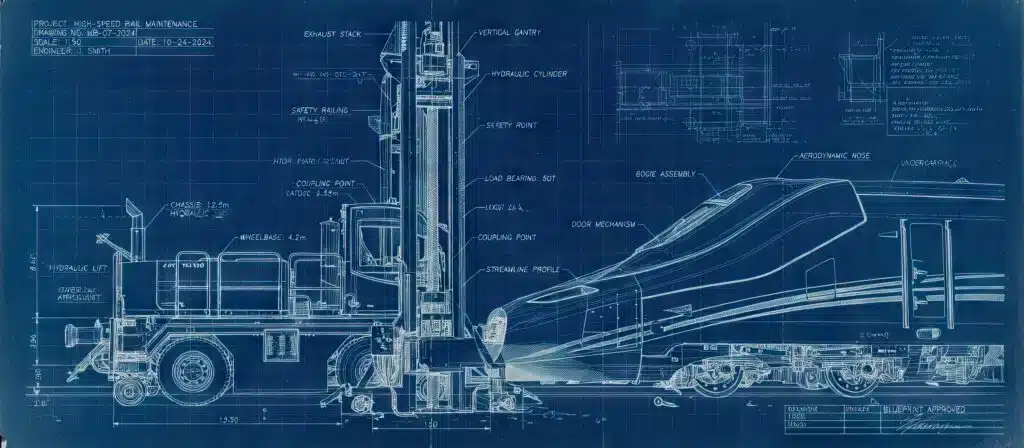
CBP connects international railway manufacturers with the Indonesian project environment. We coordinate scope, tender communication, documentation, deployment interfaces and lifecycle escalation without replacing manufacturer technical authority.
Programs also depend on clear requirements, controlled documents, defined responsibilities and timely communication. Risk appears when these interfaces are unclear.
CBP coordinates the path between manufacturer and project team so each responsibility remains visible before procurement and execution move forward.
The structure separates manufacturer authority, CBP coordination and the Indonesian project environment. This keeps responsibility understandable before the program reaches site.
CBP coordinates the interface. Manufacturer technical authority remains with the manufacturer. Installation, acceptance, direct site execution or other project responsibilities apply only where they are expressly included in the agreed scope.
Each area addresses a different interface as technology moves from market engagement toward project delivery and lifecycle support.
CBP provides the Indonesian market interface for approved manufacturer technologies. Engagement is organized around relevant opportunities, defined scope and an appropriate commercial pathway.
CBP coordinates requirement review, tender communication and technical clarification. Manufacturer technical decisions remain with the manufacturer.
CBP coordinates project communication, document flow, site-readiness interfaces and manufacturer participation where required by the agreed project scope.
CBP maintains a defined escalation route for warranty communication, spare-parts requirements, technical issues and manufacturer-to-end-user coordination within the agreed scope.
The register distinguishes coordination from technical authority and from project responsibilities that must be expressly assigned.
| Interface | CBP Role | Responsibility Boundary |
|---|---|---|
| Market Interface | Coordinates engagement between approved manufacturer technologies and relevant Indonesian railway stakeholders. | Public presentation does not expose internal agency mechanics or legal-status taxonomy. |
| Tender Coordination | Coordinates requirement review, communication and response flow during the tender process. | CBP does not replace manufacturer technical authority or the buyer's procurement authority. |
| Technical Documentation | Coordinates document flow against verified project requirements. | Manufacturer documentation remains controlled through the agreed project pathway. |
| Site Coordination | Supports coordination of site readiness and manufacturer involvement where applicable. | Installation or direct site execution is not assumed unless expressly included in the agreed scope. |
| Commissioning Support | Coordinates manufacturer participation and project communication where commissioning support is required. | Technical acceptance authority is not assumed unless expressly assigned. |
| Lifecycle Escalation | Routes field issues, warranty communication, spare-parts requirements and technical escalation. | Technical decisions and warranty determinations remain with the responsible manufacturer or contracting party as applicable. |
After deployment, the interface remains useful when field conditions need clarification, parts support or technical escalation.
Route warranty-related information through the agreed project and manufacturer channel.
Coordinate identification and communication for relevant spare-parts requirements.
Move field questions to the responsible technical authority with the relevant project context attached.
Maintain a defined communication path between manufacturer and Indonesian end-user environment.